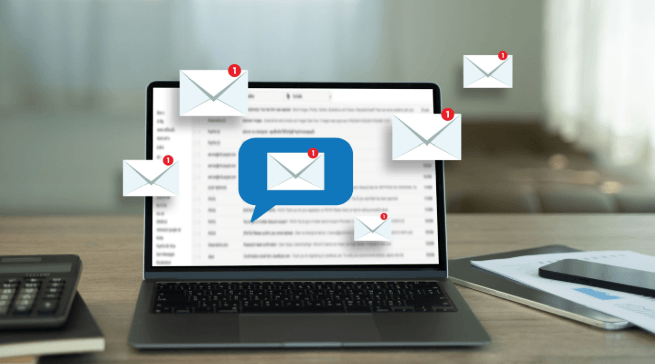
Social media algorithms change constantly, and paid advertising costs continue to rise. If you rely solely on external platforms to reach your customers, you leave your business vulnerable to sudden shifts in the digital landscape. However, there is one channel you completely control: your email list.
When you start an e-commerce company in Hong Kong, building a robust email marketing strategy is not just an option; it is a fundamental requirement for sustainable growth. Email allows you to communicate directly with people who have already shown interest in your brand. It offers one of the highest returns on investment in the digital marketing space.
This comprehensive guide will show you exactly how to harness the power of email marketing. We will explore local consumer behaviors, list building strategies, powerful automations, and how to integrate email with your broader marketing ecosystem.
Why Email Marketing Matters in Hong Kong
The Hong Kong market presents unique opportunities and challenges for digital retailers. The population is highly connected, with smartphone penetration ranking among the highest globally. While instant messaging apps dominate casual conversations, email remains the undisputed king of commercial communication.
Understanding Local Consumer Behavior
Hong Kong consumers are savvy, demanding, and constantly on the move. They frequently browse online stores during their daily commutes on the MTR or bus. While they might discover your products on social media, they look to their email inboxes for order confirmations, shipping updates, and exclusive promotional offers.
Shoppers in this region also respond exceptionally well to VIP treatments and loyalty rewards. Email marketing provides the perfect vehicle to deliver these personalized experiences. By sending targeted discounts during major local shopping events like Lunar New Year, Singles’ Day (11.11), and the summer sales season, you can capture attention precisely when consumers are ready to buy.
Owning Your Audience
If a social media platform shuts down your account or drastically reduces your organic reach, you lose access to your followers instantly. You do not own your social media audience. Conversely, your email list is a business asset that you own entirely. When you start an e-commerce company in Hong Kong, building this asset protects you from the unpredictable nature of third-party platforms.
Building Your Subscriber List from Scratch
You cannot send emails without subscribers. Building a high-quality list requires offering genuine value in exchange for a visitor’s contact information.
Creating Irresistible Lead Magnets
People fiercely protect their inbox space. “Sign up for our newsletter” is no longer a compelling pitch. You must offer a tangible incentive, known as a lead magnet. For e-commerce businesses, the most effective lead magnets usually involve immediate financial benefits.
Consider offering a flat discount, such as HKD 50 off their first purchase. Alternatively, you can offer a percentage discount, free shipping on their initial order, or a small free gift with purchase. Ensure this offer is prominently displayed on your website.
You Should Also Read : TechAiTech
Utilizing Pop-ups and Embedded Forms
Strategic placement of your sign-up forms dramatically increases your conversion rate. Use an exit-intent pop-up that appears just as a visitor moves their cursor to leave your site. This gives you one last chance to capture their information before they disappear.
Additionally, embed static sign-up forms in your website’s footer and on your checkout page. Always include a checkbox during the checkout process allowing customers to opt into your marketing communications. Make sure this process complies with local regulations, which we will cover in the FAQ section.
Segmentation: Sending the Right Message
Treating all your subscribers the same is a massive mistake. A first-time visitor needs different information than a loyal customer who has purchased from you five times. Segmentation involves dividing your email list into smaller, targeted groups based on specific criteria.
Behavior-Based Segmentation
Track how subscribers interact with your store and your emails. You can create segments for people who frequently open your emails but rarely buy. You can create another segment for your “VIPs”—customers who spend above a certain threshold. By identifying these behaviors, you can tailor your messaging. Send aggressive discount codes to the hesitant buyers, and offer early access to new product lines to your VIPs.
Interest-Based Segmentation
If you sell a variety of products, pay attention to what specific categories your customers browse or purchase. If a customer only buys skincare products from your beauty store, they probably do not want to receive weekly emails about your new haircare line. Sending relevant content keeps your open rates high and your unsubscribe rates low.
Automation: Making Money While You Sleep
Running an online store requires juggling countless tasks. Email automation allows you to generate sales in the background while you focus on sourcing products, managing inventory, or handling customer service.
The Welcome Series
The moment someone joins your list, they are highly engaged. Do not just send a single email with a discount code. Build a three-part welcome series.
Email one should deliver the promised discount and introduce your brand. Email two should highlight your best-selling products and share your brand’s unique story. Email three can provide social proof, such as customer reviews or user-generated content, to build trust. This sequence gently guides new subscribers toward their first purchase.
The Abandoned Cart Recovery
Cart abandonment is a massive hurdle for online retailers. Shoppers add items to their carts, get distracted by a message, and close the tab. An abandoned cart automation acts as a digital safety net.
Set up an email to trigger one hour after a cart is abandoned, politely reminding the shopper of what they left behind. If they do not convert, send a second email 24 hours later, perhaps offering a small, limited-time discount to sweeten the deal. This simple automation can recover a significant percentage of otherwise lost sales.
Post-Purchase Follow-ups
The customer journey does not end at checkout. Send a post-purchase email thanking them for their order. A few days after the product arrives, automatically send an email requesting a review. You can also use this opportunity to cross-sell related products. If they bought a coffee machine, follow up a month later suggesting your premium coffee beans.
Integrating Email with Other Channels
Email marketing does not operate in a vacuum. The most successful brands integrate their email strategy with other marketing efforts to create a seamless customer experience.
Combining Email with Social Media
Use your social media platforms to grow your email list. Run lead generation ads on Facebook and Instagram offering a special discount in exchange for an email address. Conversely, you can upload your email subscriber list to these platforms to create “Custom Audiences.” This allows you to serve highly targeted ads to people who already know your brand, or create “Lookalike Audiences” to find new customers with similar profiles.
Connecting with WhatsApp and SMS
In Hong Kong, WhatsApp is deeply integrated into daily life. Many e-commerce platforms now allow you to collect phone numbers alongside email addresses. You can use email for long-form content, detailed newsletters, and visual product showcases. Then, use SMS or WhatsApp for urgent updates, flash sale alerts, or delivery notifications. Using both channels strategically ensures you reach your customers wherever they prefer to engage.
Conclusion
Mastering email marketing transforms how you connect with your audience. It shifts your business from constantly hunting for new customers to cultivating a loyal, profitable community. By focusing on ethical list building, intelligent segmentation, and powerful automations, you create a revenue-generating machine that operates around the clock.
Take the time to set up your core email flows before you launch your store. Invest in understanding your local audience, and always strive to deliver genuine value in every message you send. With a strong email strategy in place, you build a resilient foundation for your digital storefront.
Frequently Asked Questions (FAQs)
What is the UEMO and how does it affect my email marketing in Hong Kong?
The Unsolicited Electronic Messages Ordinance (UEMO) is a law in Hong Kong that regulates the sending of commercial electronic messages, including emails. To comply, you must ensure that your emails include accurate sender information and a functional, easy-to-use unsubscribe link. You must honor unsubscribe requests promptly (within 10 working days). Most importantly, you should only send marketing emails to individuals who have explicitly consented to receive them. Familiarizing yourself with the UEMO is a critical step when you start an e-commerce company in Hong Kong.
Which email marketing software is best for a new e-commerce business?
The “best” software depends on your specific needs and platform. Klaviyo is widely considered the gold standard for e-commerce, especially if you use Shopify, due to its deep integration and powerful e-commerce specific automations. Omnisend is another excellent, user-friendly alternative built specifically for online stores. Mailchimp is a popular, affordable starting point for beginners, though its e-commerce automations are slightly less robust than Klaviyo’s.
How often should I send marketing emails to my subscribers?
Frequency depends on your resources and your audience’s appetite. For a new store, sending one well-crafted newsletter per week is a solid baseline. This keeps your brand top-of-mind without being annoying. During major promotional periods like Black Friday or local holidays, you can increase this to two or three times a week. Always monitor your unsubscribe rates and open rates; if engagement drops, you might be sending too frequently.
What is a good open rate for e-commerce emails in Hong Kong?
While benchmarks vary by industry, a healthy open rate for e-commerce emails generally falls between 20% and 30%. Click-through rates (the percentage of people who click a link inside the email) usually hover around 2% to 5%. If your open rates are consistently below 20%, you need to work on writing more compelling subject lines and regularly cleaning your list to remove inactive subscribers.
Should I buy an email list to kickstart my marketing?
Never buy an email list. Sending emails to people who have not opted in violates the UEMO regulations and damages your sender reputation. Email providers like Gmail and Outlook will quickly flag your messages as spam, meaning even your legitimate emails will end up in the junk folder. Focus on organic, ethical list building to ensure long-term success.