Eco-friendly home improvements emphasize durable, low-emission materials and airtight envelopes with moisture control. Prioritize high-efficiency appliances and LEDs, smart thermostats, and targeted energy audits to reveal savings. Emphasize micro-renovations and DIY tweaks that optimize existing systems and daylighting while promoting healthy indoor air. The approach balances upfront costs with long-term lifecycle benefits for comfort and resilience, inviting further exploration of practical, regional options and strategies to reduce footprint over time.
What Counts as Eco-Friendly Home Upgrades
Eco-friendly upgrades encompass improvements that reduce resource use, minimize emissions, and extend the lifespan of home systems and materials.
The discussion distinguishes eco friendly vs non eco friendly choices by lifecycle impact, material sourcing, and durability.
Decision points weigh up front costs vs long term savings, aligning with freedom to invest in resilient, low-maintenance options that deliver reliable environmental and financial returns.
Low-Impact for Big Savings: Efficient Appliances and Lighting
Are high-efficiency appliances and smart lighting the fastest path to meaningful energy savings? Energy audits identify suboptimal loads and guide targeted upgrades.
Efficient appliances reduce baseline consumption, while lighting efficiency lowers daily usage with LEDs and controls.
Smart thermostats optimize climate patterns, tightening comfort without waste.
Together they empower households to save, while preserving freedom to choose future upgrades.
Materials and Design for Healthy, Durable Homes
Materials and design choices shape indoor air quality, durability, and long-term performance. This section examines durable materials, low-emission finishes, and robust assemblies that resist wear while preserving comfort. Prioritize non-toxic, regionally sourced components with proven longevity.
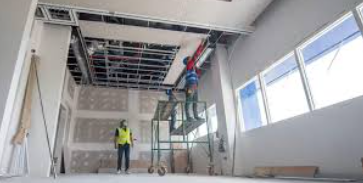
Prioritize airtight, moisture-managed envelopes to maintain indoor air quality and reduce energy use, supporting durable materials and resilient, long-lived homes.
DIY Tweaks and Smart Habits to Cut Footprint
Small, intentional changes can cumulatively reduce a home’s environmental footprint without major investments. DIY tweaks emphasize efficient habits, careful material choice, and measurable outcomes.
Micro renovations maximize existing systems, prioritizing durable components and low-energy updates. Daylight strategies reduce lighting needs, while smart controls optimize consumption.
This approach balances freedom with responsibility, offering practical, scalable steps for ongoing, independent eco-conscious living.
Frequently Asked Questions
How Do I Measure a Project’s True Carbon Footprint?
In measuring emissions, one conducts a lifecycle analysis to quantify energy, materials, and transportation impacts from cradle to grave, enabling a balanced, freedom-seeking assessment of a project’s true carbon footprint.
Which Certifications Validate Eco-Friendly Home Improvements?
One statistic shows certified projects outperform peers by 30% in energy efficiency. Certification types and eco labels validate eco-friendly home improvements, guiding buyers and builders. They provide credible benchmarks, ensuring transparency and accountability for sustainable material choices, performance, and long-term impact.
What Funding or Rebates Are Available for Green Upgrades?
Funding options vary by region, but often include federal, state, and utility programs; rebate programs frequently cover efficiency upgrades. The detached analysis notes eligibility criteria, application timelines, and project documentation essential for homeowners pursuing practical, eco-conscious upgrades with freedom.
How Long Do Sustainable Materials Typically Last in Real Use?
Sustainables materials typically reach durability benchmarks of 20–40 years, depending on type and use, with true performance tracked by material lifecycle assessments. In practice, maintenance, climate, and installation quality influence longevity and ongoing eco-conscious decision-making.
See also: Big Data in Marketing and Advertising
Are Green Renovations Safe for Indoor Air Quality?
Green renovations can be safe for indoor air quality when materials are low-emitting, ventilation is addressed, and standards are followed. This approach supports practical, eco-conscious decisions, offering freedom with measurable, indoor airquality improvements rather than guesswork.
Conclusion
Eco-friendly home upgrades balance upfront costs with long-term benefits, delivering durable comfort and healthier indoor environments. While some may doubt the value of small tweaks, these changes compound: airtight envelopes, energy-efficient appliances, and smart controls reduce waste, emissions, and bills over decades. Prioritize regional materials, daylighting, and moisture management to bolster resilience. By pairing practical DIY tweaks with targeted audits and intelligent habits, households gain steady savings, improved IAQ, and a more sustainable living footprint for the future.