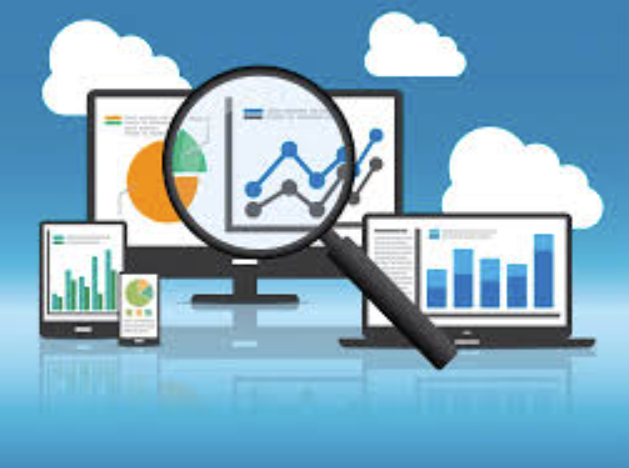
Big data has fundamentally reshaped marketing and advertising landscapes. By harnessing vast amounts of consumer data, businesses can uncover valuable insights into behaviors and preferences. This analytical approach allows for refined audience segmentation and enhanced personalization strategies. However, the rapid evolution of predictive analytics raises questions about ethical data usage and consumer trust. What implications do these advancements hold for brands striving to maintain relevance in an increasingly data-driven world?
Understanding Big Data and Its Importance in Marketing
Big data has emerged as a pivotal element in modern marketing, fundamentally transforming how businesses understand consumer behavior and market dynamics.
Through meticulous data collection and the application of advanced analytics tools, organizations can extract actionable insights. This process enables marketers to identify trends, optimize strategies, and enhance customer engagement, ultimately fostering greater autonomy in decision-making and promoting a more liberated approach to consumer interaction.
How Big Data Enhances Consumer Insights
Data analytics serves as a powerful lens through which marketers can gain deeper insights into consumer behaviors and preferences.
By examining behavioral patterns, brands can identify trends and nuances that inform strategic decisions. Effective customer segmentation emerges from this analysis, enabling marketers to tailor their approaches.
Such insights foster a more profound understanding of consumer needs, ultimately enhancing marketing effectiveness and brand loyalty.
Personalization and Targeting Through Data Analytics
As marketers increasingly harness data analytics, the ability to create personalized experiences and target specific consumer segments has become paramount.
By analyzing consumer behavior through predictive analytics, brands can anticipate needs and preferences, thereby enhancing engagement and loyalty.
This targeted approach not only optimizes marketing strategies but also empowers consumers, fostering a more relevant and meaningful interaction between brands and their audiences.
See also: Benefits of Virtual Reality Technology
Future Trends of Big Data in Advertising
The evolution of personalized marketing strategies has set the stage for transformative trends in advertising, driven by advanced data analytics.
Future developments will increasingly leverage predictive analytics to anticipate consumer behavior, enhancing campaign effectiveness.
However, balancing these innovations with data privacy concerns will be crucial, as consumers demand greater control over their information.
The intersection of insights and ethics will shape advertising’s landscape.
Conclusion
In the dynamic landscape of marketing and advertising, big data stands as both a beacon of opportunity and a potential pitfall. While it empowers brands to forge deeper connections through personalization and predictive insights, the ethical implications of data usage loom large. The challenge lies in balancing innovation with consumer trust, as marketers navigate a future where data-driven strategies must not only captivate but also respect the privacy of individuals. Thus, the path forward demands both creativity and responsibility.