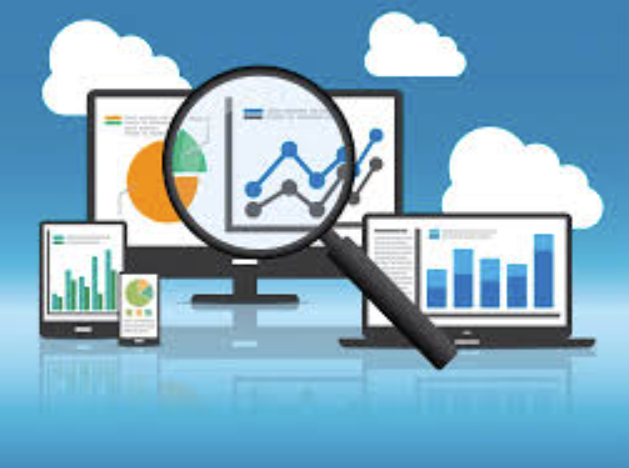
Big data is reshaping healthcare by enhancing clinical decision-making and personalizing treatment. It leverages vast datasets, including genomic and patient history information, to inform tailored therapies. However, significant challenges persist, such as data integration and privacy concerns. The implications of these issues are profound, as they impact patient outcomes and the overall efficiency of healthcare systems. Understanding the balance between innovation and these challenges is essential to grasp the full potential of big data in this field.
The Impact of Big Data on Clinical Decision-Making
How does big data influence clinical decision-making in healthcare?
It enhances decision-making through predictive analytics, enabling healthcare professionals to anticipate patient outcomes and optimize care strategies.
Data interoperability allows seamless sharing of information across systems, facilitating comprehensive patient profiles.
This integration empowers clinicians to make informed decisions, ultimately improving patient outcomes and promoting a more efficient healthcare system that values individual freedom and choice.
Personalized Medicine: Tailoring Treatments Through Data
Personalized medicine revolutionizes treatment protocols by leveraging extensive data analytics to tailor interventions to individual patient profiles.
By utilizing genomic sequencing, healthcare providers can identify specific genetic markers that influence drug responses.
This data-driven approach facilitates treatment optimization, ensuring that therapies are not only effective but also minimize adverse effects.
Ultimately, personalized medicine empowers patients with tailored solutions, enhancing overall health outcomes.
Challenges in Implementing Big Data Solutions
Although the potential of big data in healthcare is immense, several challenges hinder its effective implementation.
Key issues include data integration and interoperability, which complicate system compatibility. Privacy concerns further complicate data sharing, while inadequate data quality can skew insights.
High infrastructure costs and the need for workforce training in analytical skills also pose significant barriers to realizing big data’s full potential in healthcare.
See also: Benefits of Virtual Reality Technology
Emerging Technologies Shaping the Future of Healthcare Data
As healthcare continues to evolve, emerging technologies are playing a critical role in transforming data management and utilization within the sector.
AI analytics and predictive modeling enhance data visualization, while cloud computing fosters data interoperability.
Real-time monitoring and mobile health applications significantly boost patient engagement, enabling healthcare providers to leverage big data efficiently.
Ultimately, this improves outcomes and empowers patients in their health journeys.
Conclusion
In conclusion, the integration of big data in healthcare mirrors the precision of a skilled conductor leading an orchestra; each dataset, like an instrument, harmonizes to create a symphony of personalized patient care. As healthcare providers harness predictive analytics to refine clinical decision-making, they face challenges akin to tuning a complex ensemble. Nevertheless, the potential for improved patient outcomes and system efficiencies underscores the necessity of embracing big data, ultimately transforming the healthcare landscape into a more responsive and tailored environment.